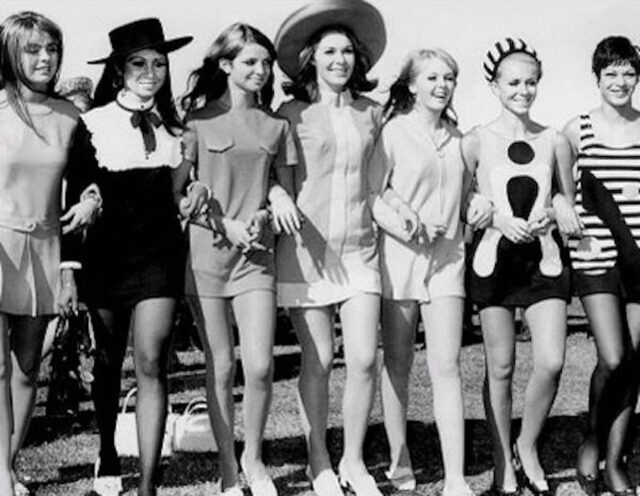
In 1965, the mini skirt emerged as one of the most iconic and revolutionary fashion statements of the 20th century. Popularized by British designer Mary Quant and embraced by young women around the world, the mini skirt symbolized the cultural and social liberation sweeping through the mid-1960s. This was more than just a shift in style—it was a reflection of changing attitudes toward gender, individuality, and youth culture. The mini skirt became a bold departure from the more conservative hemlines of the 1950s, aligning with the broader “Swinging London” movement that celebrated freedom, creativity, and modernity.
In 1965, the mini skirt emerged as one of the most iconic and revolutionary fashion statements of the 20th century. Popularized by British designer Mary Quant and embraced by young women around the world, the mini skirt symbolized the cultural and social liberation sweeping through the mid-1960s. This was more than just a shift in style—it was a reflection of changing attitudes toward gender, individuality, and youth culture. The mini skirt became a bold departure from the more conservative hemlines of the 1950s, aligning with the broader “Swinging London” movement that celebrated freedom, creativity, and modernity.